
Laundry Room Renovation Ideas for North York Homes provide innovative approaches to maximizing utility in compact urban dwellings. In the densely populated neighborhoods of North York, where urban living often means navigating compact residences, the challenge of optimizing small spaces becomes a central concern for homeowners.
This area, part of Toronto’s northern expanse, features a mix of mid-century modern homes, high-rise condominiums, and older detached houses that frequently prioritize communal areas over utility zones. Laundry rooms, in particular, are often relegated to tight corners, basements, or multipurpose alcoves, leading to inefficiencies in daily routines.
The analytical lens reveals that these constraints stem not only from square footage limitations but also from the need to balance functionality with aesthetic harmony in a space that handles moisture, noise, and heavy use. Laundry Room Renovation North York projects require a thoughtful approach that transforms potential frustrations into streamlined operations, enhancing overall home usability without overwhelming the existing footprint.
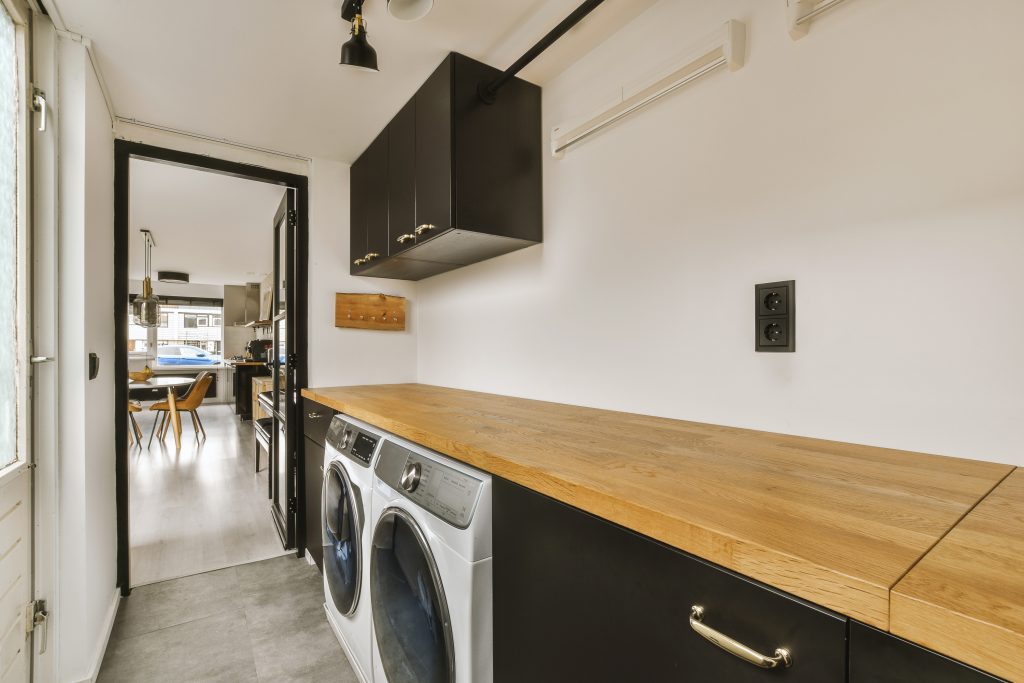
Architectural Features of North York and Their Impact on Laundry Rooms
The architectural landscape of North York reflects a blend of historical and contemporary styles that directly impacts the design of utility spaces like laundry rooms. Here are the key features and their implications:
1. Symmetrical Georgian facades with brick exteriors: These traditional elements, common in older suburbs, emphasize formal layouts that separate living areas from service zones, often placing laundry facilities in basements or rear sections, resulting in isolated and less accessible spaces that require creative ventilation solutions during renovations.
2. Victorian bay-and-gable elements emphasizing vertical lines: Prevalent in historic neighborhoods, this style promotes tall, narrow structures with intricate detailing, which can confine laundry rooms to tight alcoves or attics, leading to challenges in natural light and airflow, thus necessitating renovations focused on vertical storage and compact appliance arrangements.
3. Mid century modern split-level layouts favoring open interiors: Found in many 1950s-era homes, these designs incorporate multi level floor plans that integrate utility areas into transitional zones like hallways, often creating dim, cramped environments lacking ventilation, which complicates daily tasks and pushes for updates that enhance openness without structural overhauls.
4. Modern minimalist influences with clean lines and large glass panels: In contemporary custom homes and condominiums, this approach prioritizes efficient floor plans, frequently merging laundry zones with kitchens or bathrooms. In many bathroom remodelling North York projects, this can create spatial conflicts where appliances compete with fixtures for space, encouraging smart, multifunctional design solutions that improve workflow without sacrificing aesthetics.
5. Edwardian and Romanesque details in historic areas: These styles feature ornate stonework and robust forms, typically relegating utility spaces to lower levels with limited windows, fostering humid and shadowed conditions that impact sorting and folding activities, thereby requiring targeted lighting and material choices in renovations.
6. Ravine adjacent properties with sloped terrains: Common in North York’s natural landscapes, these sites impose watershed restrictions that limit horizontal expansions, directing renovations toward vertical optimizations such as stacked units and wall-mounted features to maximize utility in constrained laundry areas.
7. Mid rise building guidelines promoting moderate scale: Applied to newer developments, these encourage predictable proportions and access to sunlight, influencing laundry room placements in shared or compact units to avoid overcrowding, with an emphasis on integrated storage to maintain functionality.
Laundry Room Renovation Ideas for North York Homes should consider these elements carefully. Understanding these traits allows for renovations that respect the home’s structural integrity while addressing functional shortcomings, such as inadequate storage or poor workflow, ensuring that updates align with the broader architectural narrative.
Professional Strategies for Space Optimization
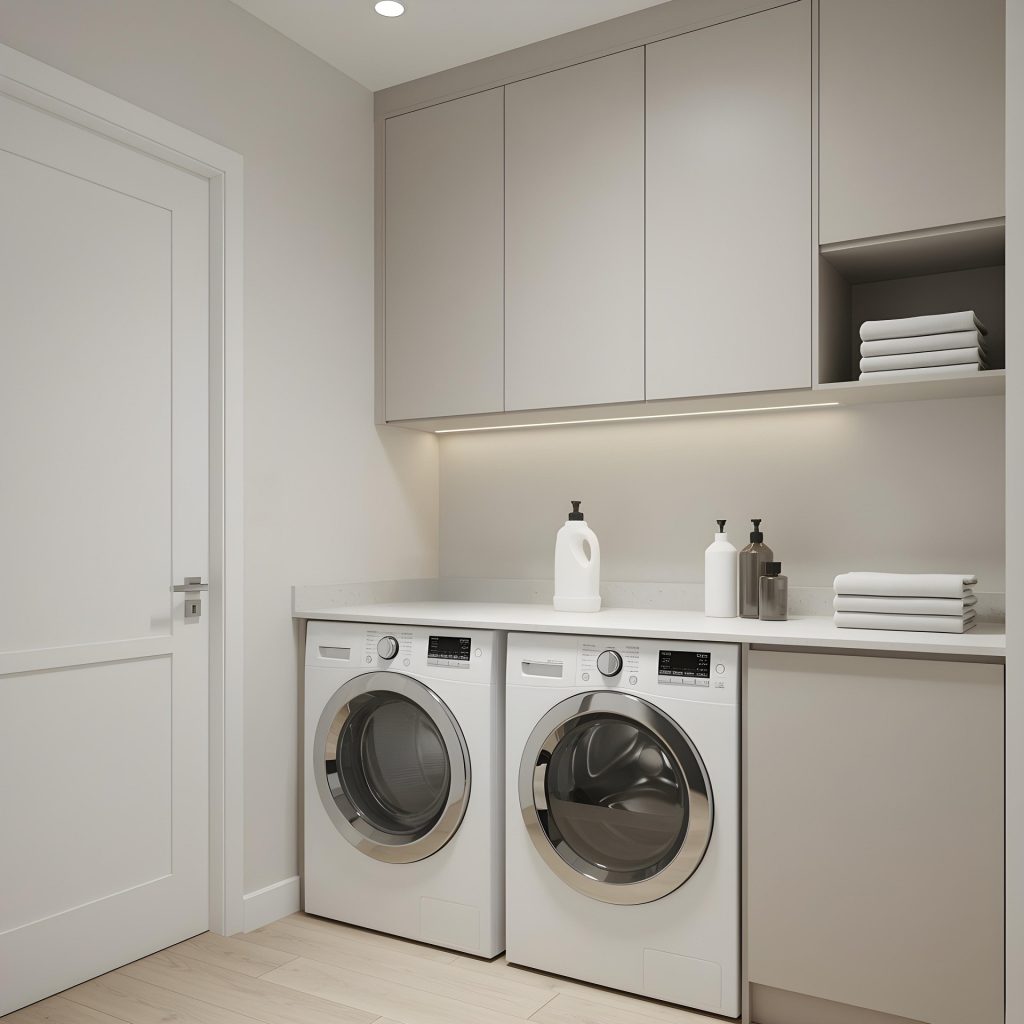
Professional strategies for space optimization in North York laundry rooms focus on maximizing every inch through innovative configurations and multifunctional elements. One effective method involves stacking washer and dryer units vertically, which preserves floor space for additional features like folding stations or ironing boards.
For instance, in a suburban residence in Coquitlam, a city with comparable urban density, a narrow basement alcove was reconfigured by installing stacked appliances and wall-mounted folding tables, creating room for a built-in sink that doubled as a pet washing station, improving workflow without altering the home’s foundation.
Laundry Room Renovation Ideas for North York Homes often incorporate such clever adaptations. In tighter setups, sliding pocket doors replace traditional swinging ones to prevent obstruction, allowing seamless access without encroaching on adjacent areas. Built-in cabinetry along walls can house detergents and linens, while pull-out drawers under appliances store smaller items efficiently.
For homes with irregular layouts, custom shelving that follows ceiling contours or wraps around corners provides tailored solutions. These approaches not only enhance capacity but also improve ergonomics, reducing physical strain during use. By prioritizing adaptability, such renovations turn confined spaces into models of efficiency, adapting to the unique demands of urban living.
Materials, Layouts, and Organization
When selecting materials, layouts, and organizational systems, durability and practicality take precedence in small laundry environments. Quartz or laminate countertops offer resistance to water and stains, ideal for folding surfaces atop appliances. Flooring options like porcelain tiles or luxury vinyl planks provide slip-resistant traction and easy maintenance, suited to high-traffic zones.
For layouts, a linear arrangement suits narrow rooms, positioning machines side by side with overhead cabinets for a clean line of sight. An L-shaped design, meanwhile, utilizes corners for sinks or drying racks, promoting a logical flow from washing to drying.
A practical example from Coquitlam involved a townhouse where vertical cabinetry extended to the ceiling, incorporating pull-out hampers and ventilated drawers to manage humidity effectively. Laundry Room Renovation Ideas for North York Homes emphasize these resilient choices and organizational tools, including:
- Tiered wire baskets for sorting clothes by color or type.
- Magnetic strips on cabinet doors for holding tools like scissors or lint rollers.
- Adjustable tension rods for hanging delicates without permanent fixtures.
The Role of Lighting
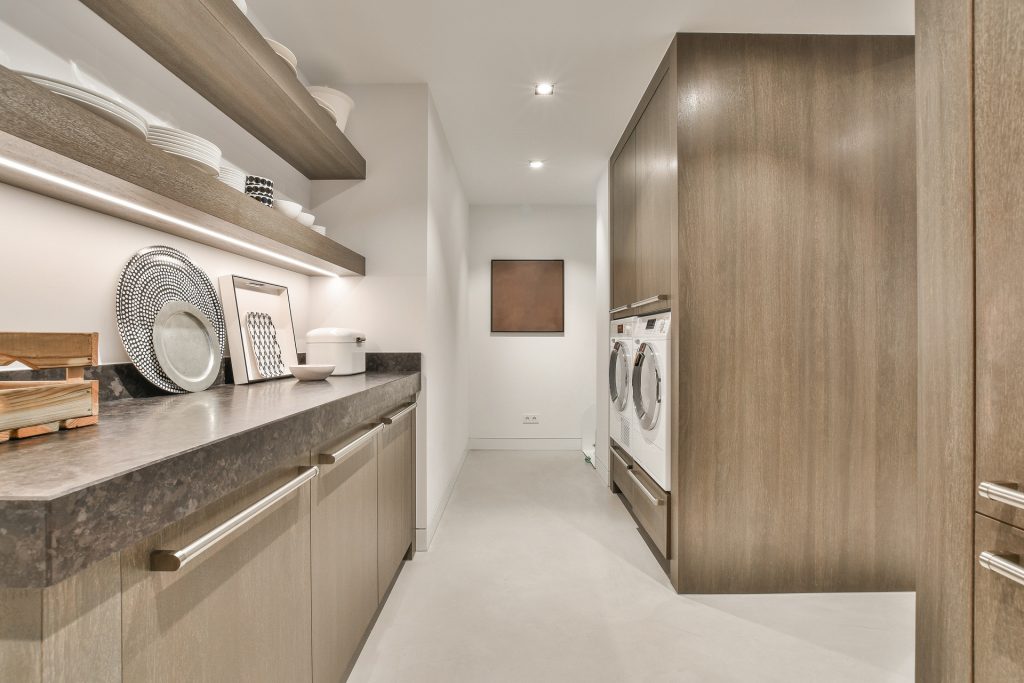
Lighting plays a pivotal role in elevating the functionality and ambiance of renovated laundry rooms, particularly in North York’s often windowless utility areas. Overhead fixtures, such as recessed LED cans, deliver broad illumination to eliminate shadows and facilitate detailed tasks like stain removal.
Task lighting, positioned under cabinets or above work surfaces, provides focused beams for precision work, reducing eye strain in prolonged sessions. In another Coquitlam case, a closet-sized space was converted into a multifunctional area through the addition of sliding shelves and under-cabinet lighting, allowing for efficient storage of seasonal items alongside laundry essentials.
Laundry Room Renovation Ideas for North York Homes highlight the importance of layered lighting. Incorporating dimmable options allows for adjustments based on time of day, while motion-sensor activations add convenience in hands-free scenarios.
Natural light simulations through full-spectrum bulbs can mimic daylight, making the space feel larger and more welcoming. By layering these sources, renovations address the common issue of dim interiors, transforming utilitarian rooms into brighter, more productive environments.
Frequently Asked Questions
1. What are the best appliance configurations for a small laundry room?
Stacking washers and dryers vertically is often ideal, as it saves floor space and allows for additional features like counters or shelves below.
2. How can I improve ventilation in a renovated laundry area?
Install exhaust fans or vents that direct moist air outside, and consider adding louvered doors to cabinets for better airflow, preventing mold buildup.
3. What storage solutions work well in compact spaces?
Use wall-mounted shelves, over-the-door organizers, and slim rolling carts to keep supplies accessible without cluttering the floor. Laundry Room Renovation Ideas for North York Homes frequently recommend these for maintaining order.
4. Are there specific layouts that enhance workflow?
A U-shaped layout can create an efficient triangle between the washer, dryer, and sink, minimizing movement and optimizing task sequences.
5. How do I choose durable materials for high-use areas?
Opt for surfaces like engineered stone for counters and ceramic tiles for floors, which resist wear and are easy to clean. Factors to consider include:
– Resistance to humidity and spills.
– Ease of installation in tight spaces.
– Compatibility with existing plumbing.
6. What common pitfalls should I avoid during renovation?
Overlooking electrical needs can lead to inadequate outlets for appliances; ensure upgrades accommodate modern units. Similarly, ignoring noise insulation in shared walls may disturb adjacent rooms, so incorporate soundproofing measures early.